Archives
- 2026-09
- 2026-08
- 2026-07
- 2026-06
- 2026-05
- 2026-04
- 2026-03
- 2026-02
- 2026-01
- 2025-12
- 2025-11
- 2025-10
- 2025-09
- 2025-04
- 2025-03
- 2025-02
- 2025-01
- 2024-12
- 2024-11
- 2024-10
- 2024-09
- 2024-08
- 2024-07
- 2024-06
- 2024-05
- 2024-04
- 2024-03
- 2024-02
- 2024-01
- 2023-12
- 2023-11
- 2023-10
- 2023-09
- 2023-08
- 2023-07
- 2023-06
- 2023-05
- 2023-04
- 2023-03
- 2023-02
- 2023-01
- 2022-12
- 2022-11
- 2022-10
- 2022-09
- 2022-08
- 2022-07
- 2022-06
- 2022-05
- 2022-04
- 2022-03
- 2022-02
- 2022-01
-
br ABCA is a sterol responsive gene
2024-10-03
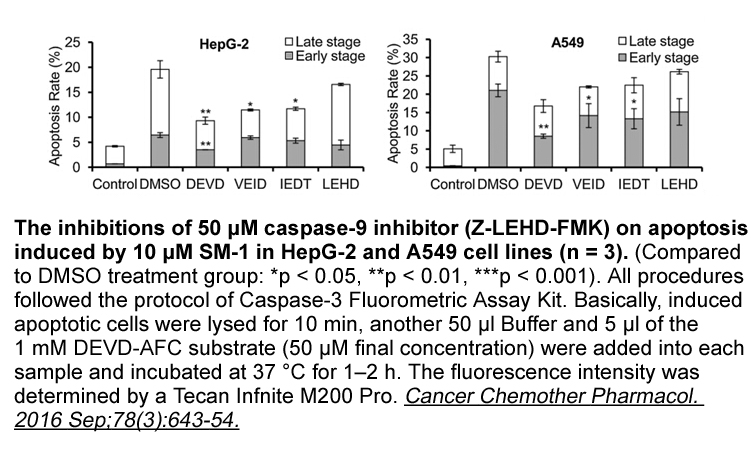
ABCA2 is a sterol-responsive gene The first evidence to demonstrate that ABCA2 expression responded to sterol loading was provided in an experiment involving monocyte to macrophage differentiation in vitro. Upon sterol loading with enzymatically degraded LDL (eLDL), ABCA2 expression increased onl
-
Previous reports indicate that the expression of
2024-10-03
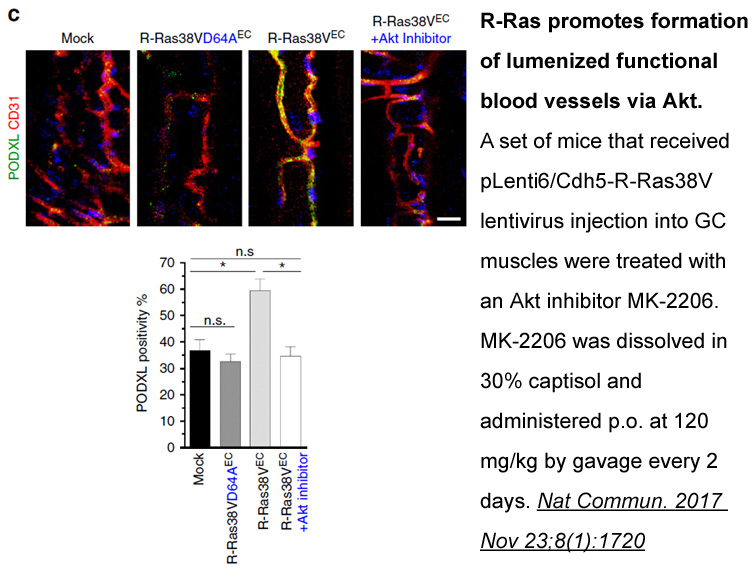
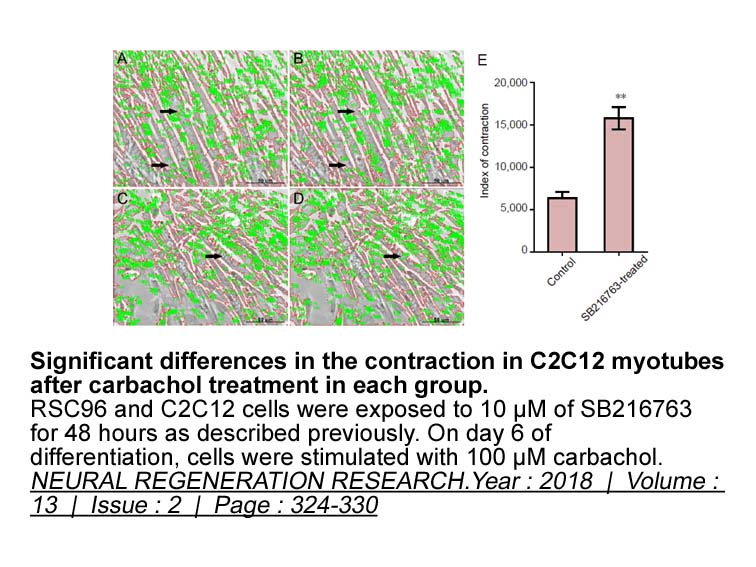
Previous reports indicate that the expression of AChRs and their clustering on myotubes are critical factors required to induce contacts on muscle fibers in a natural biological system [14], [15], [16], [17], [18], [19]. For instance, in NMJ development in the mouse, AChRs are pre-patterned at sites
-
br Materials and methods br
2024-10-01
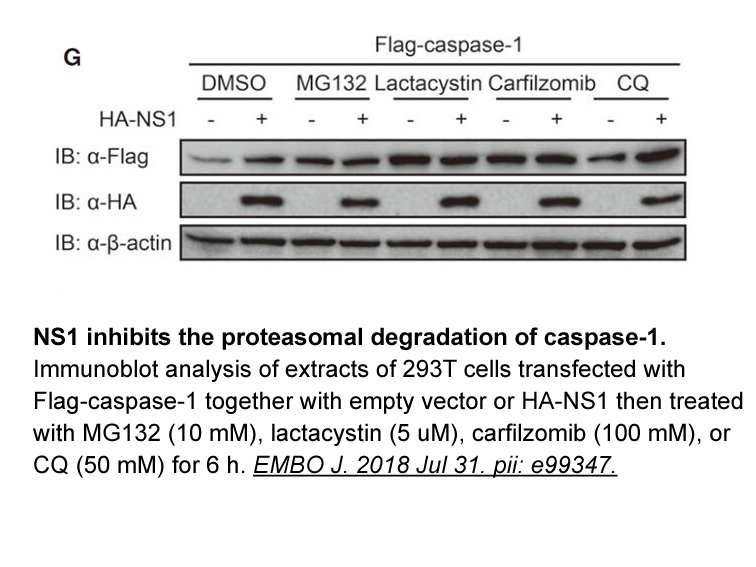
Materials and methods Results Discussion Human MutL-family complexes (MutLα: MLH1-PMS2, MutLβ:MLH1-PMS1, MutLγ:MLH1-MLH3) exhibit multiple molecular activities including DNA binding, DNA cleavage, ATP binding and hydrolysis [43]. In our recent study, we have uncovered an important function
-
Many naphthoquinone derivatives have been previously obtaine
2024-10-01
Many naphthoquinone derivatives have been previously obtained from fungi in the genus Fusarium isolated from various sources, F. oxysporum from the root of citrus (Nagia and El-Mohamedy, 2007), Fusarium sp. (No. b77) from the mangrove plant (Shao et al., 2010), F. solani and F. oxysporum from fibrou
-
br Distribution of OCT in
2024-09-30
Distribution of OCT3 in rat brain To understand the potential roles of this corticosterone-sensitive monoamine clearance mechanism in the regulation of monoaminergic neurotransmission and behavior, and its potential contribution to corticosteroid actions on behavior, we examined the rostrocaudal
-
br Materials and methods br Results
2024-09-30
Materials and methods Results Discussion In this study, we have demonstrated that the adiponectin system (genes and proteins) is present in the porcine endometrium (epithelial glandular cells, luminal epithelial (-)-Huperzine A australia and stromal cells) and myometrium (longitudinal and
-
Despite functional studies demonstrating the role of HT
2024-09-30
Despite functional studies demonstrating the role of 5-HT in ureteral contractility, the source of endogenous 5-HT in the ureter is unclear. Since 5-HT-containing enterochromaffin cells, which are present in the gastrointestinal tract, could not be found in the ureter (Nocito et al., 2007, Ripoche,
-
The cytoplasmic domain of muscle AChR is not accessible to
2024-09-30
The cytoplasmic domain of muscle AChR is not accessible to Etifoxine hydrochloride mg in vivo. Theoretically, therapy with the cytoplasmic domains should be safe. Safety is demonstrated by the facts that: (1) rats repeatedly immunized with the cytoplasmic domains in TiterMax adjuvant do not develop
-
During the year study period of men in
2024-09-30
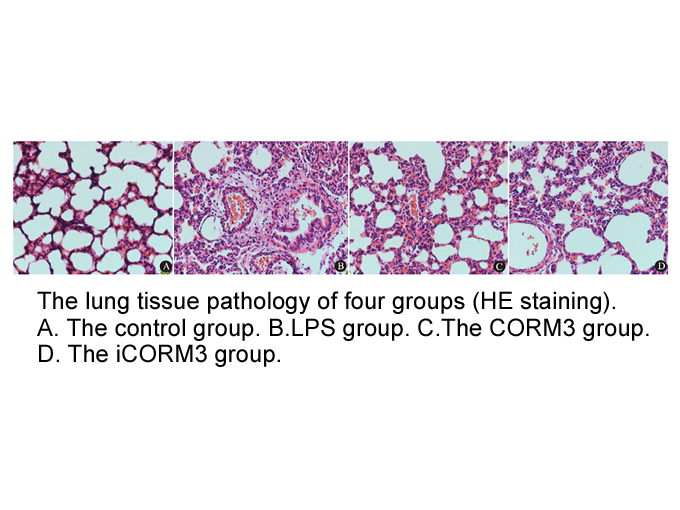
During the 4-year study period, 19.9% of men in the dutasteride group developed prostate cancer as compared to 25.1% in the placebo group, which represents an absolute risk myosin inhibitor of 5.1% for men taking dutasteride (Pe weighed against the prospect of undesirable sexual side effects and de
-
br Regulatory mechanisms of ASK activity
2024-09-30
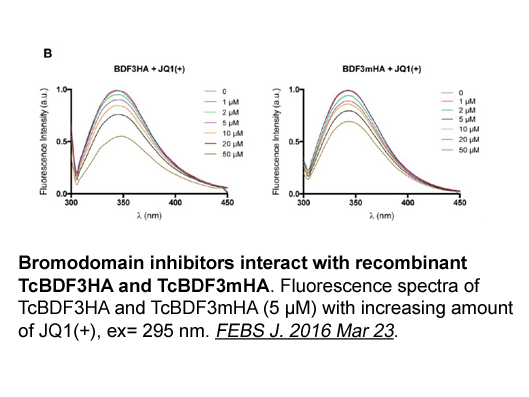
Regulatory mechanisms of ASK1 activity The functions of ASK1 in disease ASK1 inhibitor As mentioned above, ASK1 plays a pivotal role in the pathogenesis of various diseases; hence, an ASK1 inhibitor has therapeutic potential. Although inhibitors of the ASK1 downstream kinases p38 and JNK ar
-
It is well known that neurosteroids such
2024-09-30
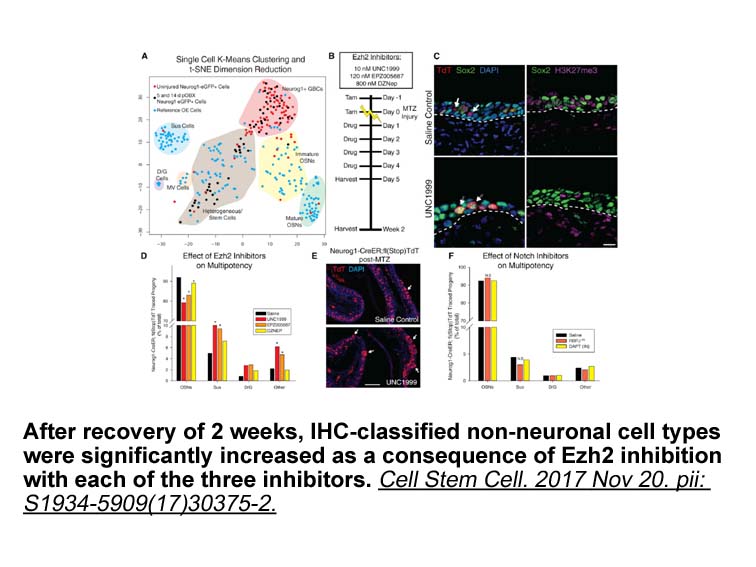
It is well-known that neurosteroids such as testosterone and their metabolites endogenously modulate neural excitability in animals and humans. Testosterone has protective effects against seizures induced by KA and PTZ (Frye et al., 2001b; Reddy, 2004b). Estrogens, on the other hand, have proconvuls
-
br The role of apelin in respiratory diseases At present
2024-09-30

The role of apelin in respiratory diseases At present, several scientific studies have suggested that the apelin/APJ system may play an important role in the development of pulmonary diseases (Table 4). For example, in an experiment on rats suffering from acute lung injury, apelin-13 decreases th
-
Given that neither case is derived from multiplex
2024-09-29

Given that neither case is derived from multiplex ghrelin receptor antagonist with affected individuals, principles of Mendelian segregation cannot be applied to implicate the T201S mutation in causing familial CJD. In addition, like many rare gene variants, it is not possible to apply practice gui
-
Chlorocresol receptor To the best of our
2024-09-29
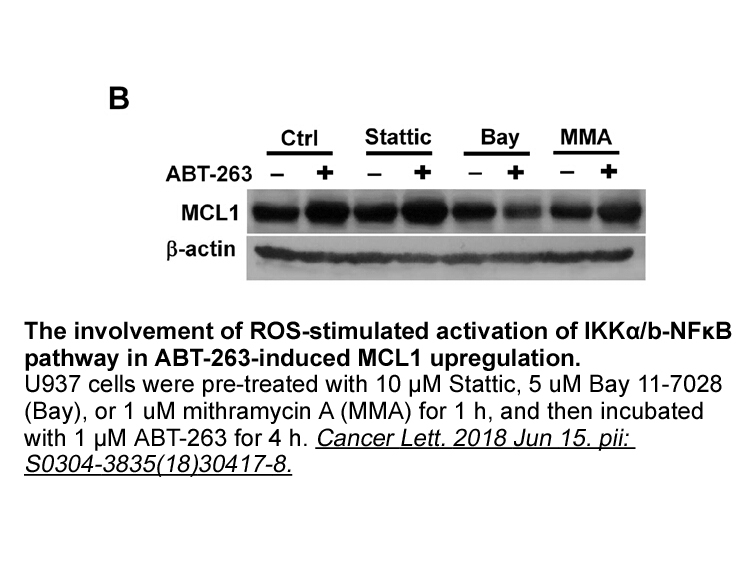
To the best of our knowledge, only 3 cases of an E196K mutation have been described since it was first identified in 2000 [15], [16], [17], although 5 cases, accounting for 1.1% of all genetic TSE cases, were reported with no precise data on the clinical phenotypes in the EUROCJD collaborative surve
-
Since the introduction of zebrafish into the
2024-09-29
Since the introduction of zebrafish into the laboratory, many milestones have been achieved that firmly establish this organism as a prominent genetic model for biology and medicine. Many features make this species an organism of easy maintenance in laboratory which provides advantages to understand
7889 records 110/526 page Previous Next First page 上5页 106107108109110 下5页 Last page